What Is a Dynamometer Used For? 7 Key Industrial Applications
A dynamometer is a measuring instrument used to determine force, tension, torque or mechanical power, depending on its design. In industrial environments, dynamometers help engineers, technicians and operators measure loads, check equipment performance and monitor mechanical forces.
Dynamometers are used in many applications, including lifting operations, cable tension measurement, load testing, manufacturing quality control, engine testing and motor performance evaluation.
But what is a dynamometer used for in practice? This guide explains its main applications, common types and the key factors to consider when selecting a dynamometer for industrial use.
Understanding what a dynamometer is used for helps businesses select the right instrument for industrial force measurement, tension testing and load monitoring.
1. What Is a Dynamometer?
A dynamometer is an instrument designed to measure mechanical force or performance. Different dynamometers are built for different measurement purposes.
For industrial force measurement, a dynamometer may measure pulling force, tension or suspended loads. For rotating machinery, a dynamometer can measure torque and rotational speed, allowing mechanical power to be calculated.
Depending on the design, a dynamometer may use a mechanical mechanism or an electronic force sensor to convert an applied load into a readable measurement.
Common measurement units include:
- Newton (N) and kilonewton (kN) for force
- Kilograms (kg) and pounds (lb) for load indications, depending on the instrument
- Newton-meters (Nm) for torque
- Kilowatts (kW) or horsepower (hp) for mechanical power
It is important to select a dynamometer according to the physical quantity you need to measure. A tension dynamometer and an engine dynamometer do not perform the same job.
2. What Is a Dynamometer Used For? 7 Key Applications
1. Measuring Tension in Cables and Wire Ropes
One common industrial use of a force-measuring dynamometer is checking tension in cables and wire ropes.
Correct tension is important in applications such as:
- Power transmission lines
- Industrial wire rope systems
- Cable installation projects
- Suspension and support systems
- Construction and infrastructure projects
A suitable dynamometer helps operators measure applied tension rather than relying only on visual estimation.
When considering what a dynamometer is used for, it is important to distinguish between force measurement, tension measurement and rotary power testing.
2. Monitoring Loads During Lifting Operations
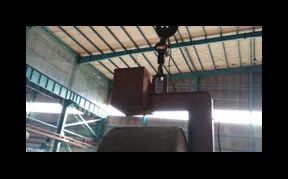
Dynamometers designed for suspended-load measurement can be used in lifting and material-handling applications.
Typical examples include:
- Crane lifting operations
- Hoists and winches
- Rigging and lifting equipment checks
- Industrial material handling
- Load monitoring during controlled lifting tasks
A compatible load-measuring device can provide operators with a readable load value during an operation.
The instrument’s rated capacity, installation method and safety requirements must be checked before use. A measurement device should not automatically be treated as a certified lifting accessory.
3. Testing the Strength of Industrial Components
Dynamometers can be used in force testing to evaluate how components respond to applied loads.
Examples include:
- Pull testing of mechanical connections
- Testing cables and connectors
- Evaluating fastening components
- Checking the resistance of selected assemblies
- Quality inspection during manufacturing
The test method, loading direction and required measurement range depend on the component being tested.
4. Supporting Manufacturing Quality Control
In manufacturing, repeatable force measurements help quality-control teams compare products against defined test requirements.
A dynamometer may be used to measure pulling or pushing forces during assembly, product inspection and mechanical testing.
This can help manufacturers identify inconsistent results, monitor production quality and document test measurements.
Knowing what a dynamometer is used for makes it easier to select the correct measurement capacity, accuracy and instrument configuration.
5. Measuring Engine and Motor Performance
Another important application is testing engines and rotating machinery.
Rotary dynamometers can measure torque and rotational speed. These measurements are used to calculate mechanical power and evaluate the performance of engines, motors and other rotating equipment.
Applications include:
- Automotive engine testing
- Electric motor performance testing
- Gearbox and transmission testing
- Pump and drive system evaluation
- Research and development testing
These systems are different from portable tension dynamometers used for cable or suspended-load measurement.
6. Checking Loads in Construction and Infrastructure Projects
Construction and infrastructure projects often involve cables, lifting systems and mechanical connections that must operate under defined load conditions.
Depending on the test requirements, force-measuring dynamometers can support:
- Cable tension checks
- Selected structural component tests
- Lifting equipment load measurements
- Mechanical connection testing
- Field force measurement
The appropriate instrument and test procedure should be selected by qualified personnel according to the project requirements.
7. Supporting Inspection and Maintenance
Dynamometers can also support inspection and maintenance work where force or load measurements are needed.
For example, maintenance teams may use suitable instruments to check cable tension, verify selected mechanical loads or investigate changes in equipment performance.
Regular inspection and calibration, in accordance with the manufacturer’s instructions and the application’s requirements, help maintain measurement reliability.
3. What Are the Main Types of Dynamometers?
The term “dynamometer” covers several different instrument designs. The main categories include:
Force and Tension Dynamometers
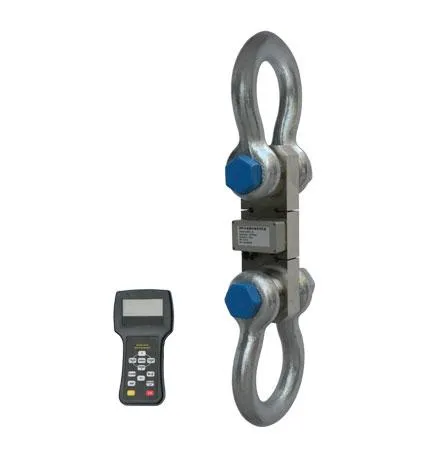
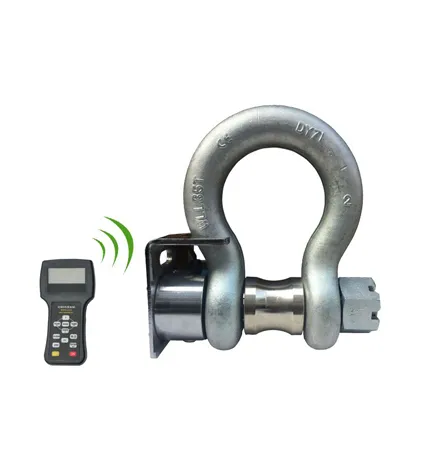
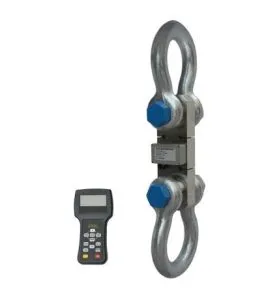
These instruments measure pulling force, tension or load. They are used in cable testing, lifting applications, rigging checks and industrial force measurement.
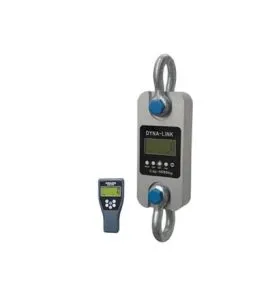
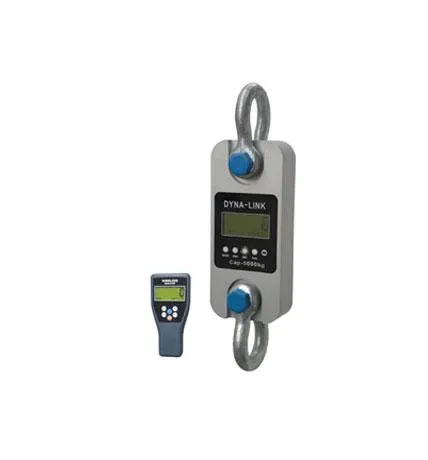
Model: DL-W3
DIMENSIONS(Dimensions shown are nominal and subject to tolerances)
| MODEL | CAP | Div | A(mm) | B(mm) | C(mm) | D(mm) | φ(mm) | H(mm) | Material |
| DL-W3-1 | 1t | 0.5kg | 245 | 112 | 37 | 190 | 43 | 335 | Aluminum |
| DL-W3-2 | 2t | 1kg | 260 | 123 | 37 | 195 | 51 | 365 | Aluminum |
| DL-W3-3 | 3t | 1kg | 260 | 123 | 37 | 195 | 51 | 365 | Aluminum |
| DL-W3-5 | 5t | 2kg | 285 | 123 | 57 | 210 | 58 | 405 | Aluminum |
| DL-W3-10 | 10t | 5kg | 320 | 120 | 57 | 230 | 92 | 535 | Alloy Steel |
| DL-W3-20 | 20t | 10kg | 375 | 128 | 74 | 260 | 127 | 660 | Alloy Steel |
| DL-W3-30 | 30 | 10kg | 420 | 138 | 82 | 280 | 146 | 740 | Alloy Steel |
| DL-W3-50 | 50t | 20kg | 465 | 150 | 104 | 305 | 184 | 930 | Alloy Steel |
| DL-W3-100 | 100t | 50kg | 570 | 190 | 132 | 366 | 229 | 1230 | Alloy Steel |
| DL-W3-200 | 200t | 100kg | 720 | 265 | 183 | 440 | 280 | 1362 | Alloy Steel |
WEIGHTS
| Model | DL-W3-1 | DL-W3-2 | DL-W3-3 | DL-W3-5 | DL-W3-10 |
| Unit Weight(kg) | 1.6 | 2.1 | 2.1 | 2.7 | 10.4 |
| Weight with shackles(kg) | 3.1 | 4.6 | 4.6 | 6.3 | 24.8 |
| Model | DL-W3-20 | DL-W3-30 | DL-W3-50 | DL-W3-100 | DL-W3-200 |
| Unit Weight(kg) | 17.8 | 25 | 39 | 81 | 210 |
| Weight with shackles(kg) | 48.6 | 73 | 128 | 321 | 776 |
Profile:
DL-W3 wireless dynamometer is an extremely well-built instrument for industry use ,as a standard wireless tool offer universal applications,Whether used as conventional crane weigher or to measure force, DL-W3 wireless dynamometer is microprocessor controlled for high precision accuracy, calibration is easier with wireless handheld indicator 380.
Body protection: Aluminum and alloy steel capacities are powder coated.
Accuracy: 0.05% for 1-50t, 0.1% for above 50t capacity.
Units: Units are clearly display on the screen, available in the following measurment reading: kilograms(kg), short Tons(t) pounds(lb), Newton and kilonewton(kN)
Shackles: High tension industrial standard G2130 anchor shackle bows, galvanized finish.
Gravity regulation: The acceleration of gravity can be regulated through indicator parameter setting according to different places value.
Functions: wireless indicator with many functions: Zero, tare, Low battery warnings, peak hold, overload warning. User calibration(with password).
Set-Point: Two user programmable Set-Point can be used for safety and warning applications or for limit weighing.
Package: Packed with carry case, easy to bring.
Indicator key: 4 local mechanical keys:”ON/OFF”,”ZERO”,”PEAK” and ”Unit Change”.
Main technical data:
| Body Display | 25mm (1’’) 5digits LCD with backlight |
| 380 Indicator Display | 25mm (1’’) 5digits LCD with backlight |
| Power on zero range | 20% F.S. |
| Manual Zero Range | 4% F.S. |
| Tare Range | 100% F.S. |
| Stable Time | ≤5 seconds |
| Overload Indication | 100% F.S. + 9e |
| Max. Safety Load | 125% F.S. |
| Ultimate Load | 400% F.S. |
| Battery Life | ≥50 hours |
| Body Battery | “LR6(AA)”size alkaline batteries. 1.5Vⅹ3 |
| Indicator Battery | “LR6(AA)”size alkaline batteries. 1.5Vⅹ4 |
| Operating Temp. | – 20℃ ~ + 50℃ |
| Operating Humidity | ≤85% RH under 20℃ |
| Wireless Distance | Min. 80m(default) [200m(optional)] |
| Wireless Frequency | 2.4GHz(default),433MHz,868MHz(optional) |
Some designs are portable and can be installed inline with a cable, connection or lifting arrangement.
Digital Dynamometers
Digital dynamometers display measurement values electronically. Depending on the model, they may provide features such as peak-force capture, tare, data storage or communication outputs.
Always check the actual specifications before selecting a model because available functions vary.
Mechanical Dynamometers
Mechanical dynamometers use mechanical components, such as springs and pointer mechanisms, to indicate force. They may be suitable for applications where a simple mechanical reading is sufficient.
Engine and Motor Dynamometers
These systems are designed to evaluate rotating machinery. They measure torque and rotational speed to determine mechanical power and assess engine or motor performance.
The correct type depends on whether the application requires linear force measurement or rotary performance testing.
4. How to Choose the Right Dynamometer
Selecting the right dynamometer starts with understanding the measurement task.
Consider these factors before purchasing:
1. Measurement purpose
Do you need to measure tension, pulling force, suspended load, torque or mechanical power? Identify the required measurement first.
2. Capacity
Choose a measurement range suitable for the expected load. The instrument must not be operated beyond its specified capacity.
3. Accuracy
Review the manufacturer’s stated accuracy, measurement range and test conditions. Do not compare accuracy figures without checking how they are specified.
4. Display and functions
Depending on the application, you may need a digital display, peak hold, tare, data output or other functions.
5. Installation and accessories
Check the required connection type, mounting arrangement, shackles, hooks or other accessories. Make sure all components are suitable for the intended application.
6. Working environment
Consider exposure to dust, moisture, temperature changes, vibration and outdoor conditions. Check the instrument’s specified environmental protection rating.
7. Calibration and documentation
Ask about calibration procedures, available certificates and the documentation required for your application.
5. Dynamometer vs. Load Cell: What Is the Difference?
A dynamometer and a load cell are related force-measurement devices, but they are not necessarily the same product.
A load cell is a sensor that converts an applied force or load into an electrical signal. It is commonly integrated into a weighing system or measurement instrument.
A dynamometer is generally a complete measuring instrument or test system designed for a particular force or mechanical-performance application. Some electronic dynamometers contain load cells as their sensing elements.
| Item | Dynamometer | Load Cell |
|---|---|---|
| Main role | Measures force or mechanical performance, depending on type | Converts applied load into an electrical signal |
| Typical configuration | May include a display and measurement functions | Often requires a compatible indicator or signal-processing system |
| Applications | Tension testing, load measurement, engine or motor testing | Weighing systems, force measurement and industrial equipment |
| System integration | Varies by instrument | Commonly integrated into a larger system |
The best choice depends on whether you need a complete measuring instrument or a sensor to integrate into your own equipment.
6. Frequently Asked Questions About Dynamometers
What is a dynamometer used for in industrial applications?
A dynamometer is used for measuring pulling force, cable tension, suspended loads and mechanical performance, depending on its design and measurement principle.
Can a dynamometer measure lifting loads?
Yes. A dynamometer designed and rated for suspended-load measurement can measure loads in compatible lifting arrangements. Its capacity, connections, installation and safety requirements must be checked before use.
Is a dynamometer the same as a load cell?
No. A load cell is a sensing component, while a dynamometer is generally a complete measuring instrument or test system. Some electronic dynamometers use load cells internally.
What is the difference between a tension dynamometer and an engine dynamometer?
A tension dynamometer measures linear pulling force or tension. An engine dynamometer measures the torque and speed of rotating machinery to evaluate mechanical power and performance.
How do I choose a dynamometer capacity?
First determine the expected load and measurement range. Then check the instrument’s rated capacity, accuracy, operating conditions and applicable safety requirements. Never select a device based only on its maximum capacity.
Does a dynamometer need calibration?
Calibration requirements depend on the instrument, application and applicable quality procedures. Follow the manufacturer’s recommendations and any relevant industry or project requirements.
7. Looking for an Industrial Load Measurement Solution?
Choosing a suitable force or load measurement instrument requires more than comparing capacity. The application, measurement range, accuracy, installation arrangement and operating environment all matter.
AIDA manufactures industrial weighing equipment and offers customized weighing solutions for industrial customers and distributors.
For applications involving suspended-load measurement, you can also explore our EQW-2D Wireless Shackle Load Cell.
If you are sourcing an industrial load measurement solution, contact AIDA with your application details, required capacity and measurement requirements. Our team can help you identify a suitable product configuration.
Contact AIDA for Product Information and OEM Cooperation
Website: https://www.weigh-reducer.com
Looking for an Industrial Load Measurement Solution?
Tell us about your application and measurement requirements. AIDA can help you explore a suitable industrial weighing solution.
-
Required measurement: Force / Tension / Suspended Load
-
Required capacity
-
Application: Crane / Cable / Manufacturing / Other
-
Country