How to Choose the Most Accurate Dynamometer: 7 Expert Tips
When buying a dynamometer, measurement accuracy is one of the most important factors to consider. But what is the most accurate dynamometer? Is a digital model always more accurate than a mechanical one? And how much does calibration affect measurement results?
The answer depends on the measurement application, instrument design, capacity, calibration quality and operating conditions. There is no single dynamometer that is the most accurate for every type of measurement.
This guide explains how to evaluate dynamometer accuracy and choose a suitable instrument for industrial force, tension and load measurement.
1. What Makes a Dynamometer Accurate?
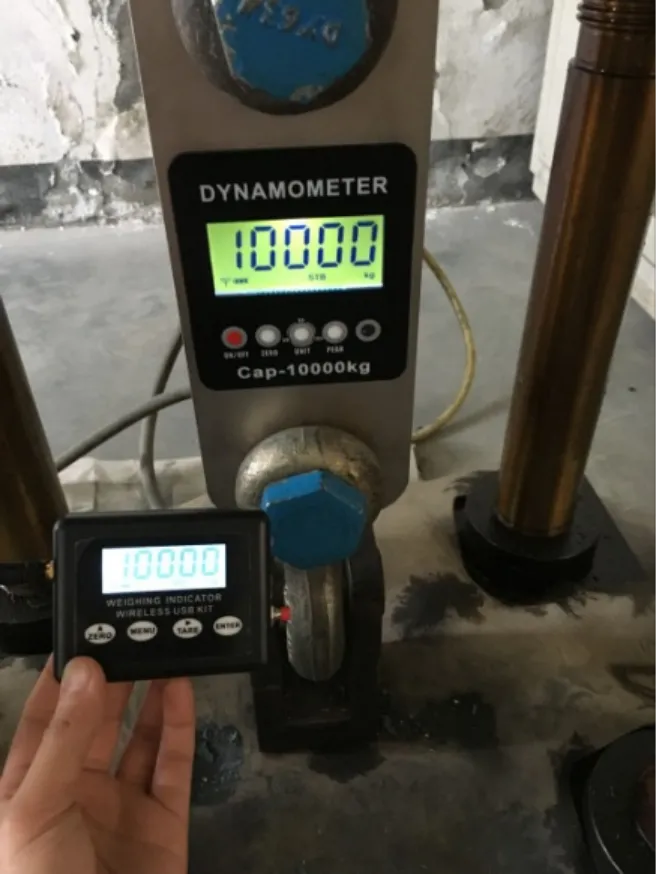
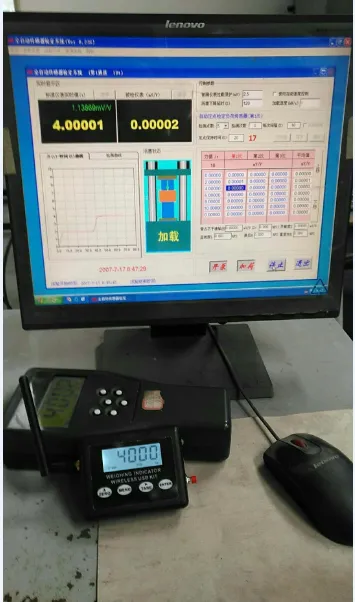
A dynamometer measures a physical quantity such as force, tension, torque or mechanical power, depending on its design.
Its measurement accuracy depends on several factors:
- Sensor quality and measurement principle
- Calibration quality and traceability
- Measurement range and applied load
- Display resolution
- Repeatability and stability
- Temperature and environmental conditions
- Installation and loading direction
A high-resolution digital display does not automatically mean that an instrument is highly accurate. The complete measurement system must be considered, including the sensor, indicator, connections and calibration.
2. Which Type of Dynamometer Is Most Accurate?
There is no universal answer because different dynamometers are designed for different measurements.
Digital Force Dynamometers
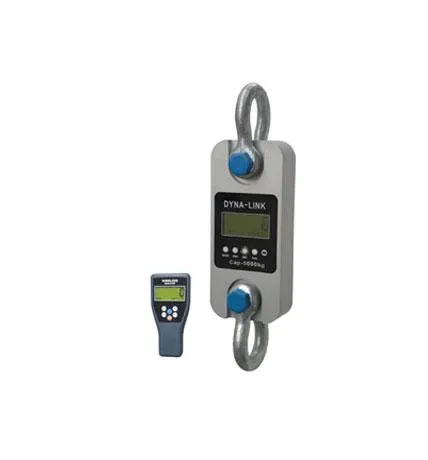
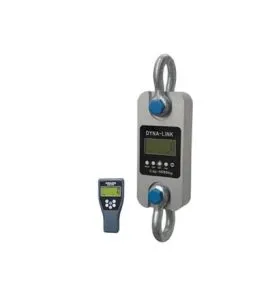
Digital force dynamometers use electronic sensors to measure applied force. Depending on the model, they may provide a digital display, peak hold, tare and data output.
They are commonly used for industrial force testing, pulling-force measurement and tension measurement.
Mechanical Dynamometers
Mechanical dynamometers use mechanical components to indicate force. Their performance depends on the design, condition, scale readability and calibration.
They may be suitable for applications where a simple mechanical reading is sufficient.
Wireless Dynamometers
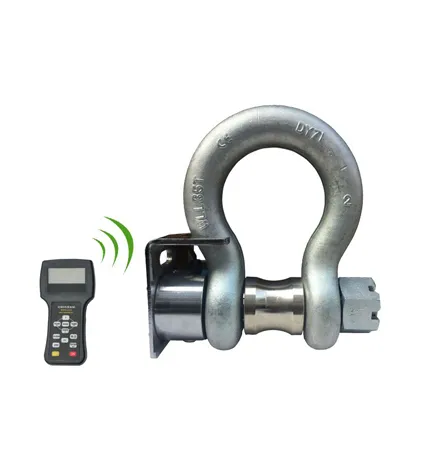
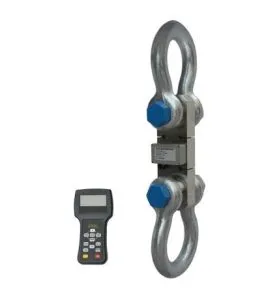
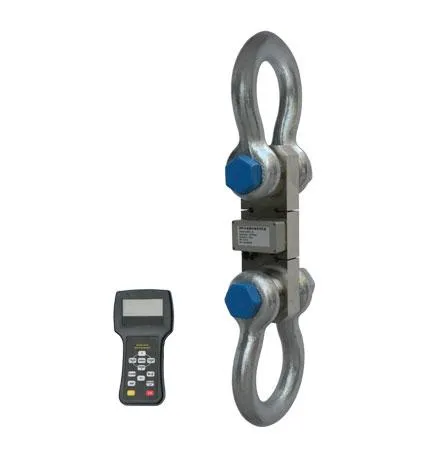
Wireless dynamometers transmit measurement data to a separate display or handheld indicator. They can be useful for suspended-load measurement and applications where the operator needs to read the load remotely.
Wireless transmission does not automatically improve measurement accuracy. The sensor, electronics, calibration and operating conditions remain important.
Engine and Motor Dynamometers
Engine and motor dynamometers measure torque, rotational speed and mechanical power. Their accuracy must be evaluated according to the specific performance-testing application.
These instruments should not be directly compared with portable force or tension dynamometers because they measure different physical quantities.
3. Seven Factors to Consider When Choosing an Accurate Dynamometer
1. Check the Specified Accuracy
Always review the manufacturer’s accuracy specification before purchasing.
Check whether accuracy is expressed as:
- Percentage of full scale
- Percentage of reading
- A fixed measurement error
- A combined system uncertainty
These specifications are not interchangeable. For example, an accuracy stated as a percentage of full scale can produce a different measurement error at low loads compared with an accuracy stated as a percentage of reading.
Ask the supplier to clarify the test conditions and the measurement range covered by the specification.
2. Select the Correct Capacity
Choose a dynamometer with a capacity suitable for the expected force or load.
An instrument that is much larger than the actual measurement requirement may not provide the best measurement performance for every application. An instrument that is overloaded may be damaged or produce unreliable results.
Consider the normal working load, maximum expected load and any applicable safety requirements.
3. Check Calibration and Traceability
Calibration is essential for evaluating measurement performance.
A calibration process compares an instrument’s readings with known reference forces under defined conditions. A calibration report can describe the relationship between the applied force and the instrument’s measured response.
For demanding applications, ask whether the calibration is traceable to recognized measurement standards and whether the report covers the complete measurement system, including the indicator where applicable.
The National Institute of Standards and Technology (NIST) explains how force transducers are calibrated using known forces and reference measurement systems.
For additional technical information, refer to the NIST force calibration resources.
4. Evaluate Display Resolution
Resolution describes the smallest change in measurement that an instrument can display.
For example, a digital display may show values in increments of 1 kg or 0.1 kg. However, a smaller display increment does not necessarily mean better accuracy.
Always evaluate resolution together with accuracy, repeatability and the specified measurement range.
5. Consider Repeatability
Repeatability describes how consistently an instrument produces results when the same measurement is repeated under similar conditions.
A dynamometer with good repeatability can provide more consistent readings for repeated inspections and quality-control procedures.
When comparing products, ask for relevant test data rather than relying only on display specifications.
6. Check Environmental Conditions
Industrial measurement equipment may be exposed to:
- Dust and moisture
- Temperature changes
- Vibration
- Outdoor operating conditions
- Mechanical shock
Check the instrument’s specified operating temperature, protection rating and environmental limitations.
Using an instrument outside its specified conditions may affect measurement performance.
7. Confirm Installation and Operating Requirements
Correct installation is important for reliable force measurement.
Check the loading direction, connection points, mounting arrangement and compatibility of accessories. Side loading, misalignment or unsuitable connections may affect readings and equipment safety.
Follow the manufacturer’s instructions and applicable procedures for the intended application.
4. Dynamometer Accuracy vs. Resolution: What Is the Difference?
Accuracy and resolution are two different measurement characteristics.
| Measurement term | Meaning |
|---|---|
| Accuracy | How close a measurement is to the reference or true value |
| Resolution | The smallest displayed measurement increment |
| Repeatability | How consistently the instrument produces results under the same conditions |
| Calibration | Comparing instrument readings with known reference values under defined conditions |
| Measurement uncertainty | A quantified indication of the doubt associated with a measurement result |
For example, a digital dynamometer may display readings to 0.1 kg, but that does not mean its measurement error is limited to 0.1 kg.
When selecting a dynamometer, review all relevant specifications instead of comparing display digits alone.
5. Why Does Dynamometer Calibration Matter?
Even a well-designed dynamometer needs appropriate calibration to establish its measurement performance.
Calibration can identify differences between the applied reference force and the instrument’s indicated value. The results help users understand the instrument’s response over its measurement range.
For reliable calibration, consider:
- Whether the reference force is known
- Whether the calibration covers the required range
- Whether the indicator is included
- Whether the loading and installation conditions match actual use
- Whether the calibration documentation is suitable for your quality requirements
For example, NIST provides force-transducer calibration using known compression or tension forces and describes the importance of the measurement system used during calibration.
Calibration intervals should be determined according to the instrument manufacturer’s guidance, frequency of use, operating conditions and quality requirements.
You can also review technical information from NIST to better understand force measurement and calibration.
6. How to Choose a Dynamometer for Industrial Load Measurement
If your application involves lifting, cranes, wire ropes or suspended loads, a force or load-measuring instrument designed for that purpose may be more suitable than an engine dynamometer.
Before requesting a quotation, prepare the following information:
- Application: Crane lifting, wire rope tension, cable testing or another industrial task.
- Required capacity: The expected working load and maximum measurement range.
- Accuracy requirement: The required measurement tolerance or accuracy specification.
- Display type: Local display or wireless handheld indicator.
- Environment: Indoor, outdoor, dusty or humid conditions.
- Accessories: Required shackles, hooks or connection arrangements.
- Documentation: Calibration report or other required product documents.
Providing these details helps suppliers recommend a suitable measurement configuration.
7. AIDA Wireless Shackle Load Cell for Suspended-Load Measurement
For industrial applications involving suspended-load measurement, AIDA offers the EQW-2D Wireless Shackle Load Cell.
The EQW-2D is designed for use with a compatible wireless handheld indicator and is available in stated capacities from 20 t to 500 t.
Its published accuracy specifications are:
- 0.5% for 20 t–50 t models
- 1% for models above 50 t
The instrument also includes functions such as zero, tare, peak hold and overload warning. Optional RS232 output is available.
These specifications should be evaluated against the actual load range, measurement requirements and operating conditions of your application. Please confirm the exact model configuration and specification with AIDA before ordering.
Explore the EQW-2D Wireless Shackle Load Cell for product details.
8. Frequently Asked Questions
What is the most accurate dynamometer?
There is no single most accurate dynamometer for every application. The best choice depends on the measured quantity, required range, calibration, accuracy specification and operating conditions.
Is a digital dynamometer more accurate than a mechanical one?
Not necessarily. Digital instruments may offer convenient displays and additional functions, but actual accuracy depends on sensor design, calibration and the complete measurement system.
Does a higher capacity dynamometer have lower accuracy?
Not automatically. Accuracy depends on the instrument’s design and specification. However, the expected working load should be considered when selecting a suitable capacity and measurement range.
Does calibration improve dynamometer accuracy?
Calibration establishes the relationship between the instrument’s readings and known reference values. If the instrument is found to be outside its required tolerance, adjustment or repair may be necessary.
What is the difference between accuracy and precision?
Accuracy describes how close a reading is to a reference value. Precision describes the consistency of repeated readings. An instrument can produce consistent readings without those readings being close to the reference value.
What information should I provide when requesting a dynamometer quotation?
Provide the intended application, required capacity, accuracy requirement, display preference, operating environment and any required accessories or calibration documents.
Conclusion: Choose Accuracy Based on Your Application
The most accurate dynamometer is not simply the model with the most display digits or the highest price. It is the instrument whose measurement range, accuracy specification, calibration and operating conditions match the actual application.
If you are sourcing a dynamometer or industrial load measurement device, contact AIDA with your required capacity and application details.
Contact AIDA for Product Information and OEM Cooperation
Website: https://www.weigh-reducer.com