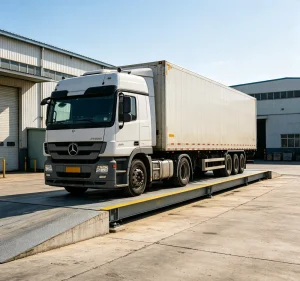
Floor Scale Price: How Much Does an Industrial Floor Scale Cost?
If you are planning to purchase an industrial floor scale, one of your first questions is likely: How much does a floor scale cost?
The answer depends on several factors, including weighing capacity, platform dimensions, construction material, load cell quality, indicator functions and optional accessories.
A basic industrial floor scale and a heavy-duty stainless steel floor scale can have significantly different prices because they are designed for different applications.
In this guide, we explain the main factors affecting floor scale price and help you understand what to consider before requesting a quotation.
If you are looking for an industrial floor scale for your warehouse, factory, production line or logistics operation, contact Aida to discuss your requirements and receive a customized quotation.
1. What Is the Average Floor Scale Price?
There is no single standard price for all industrial floor scales. Different models have different specifications, structures and configurations.
For example, a compact floor scale designed for general warehouse weighing will usually have different production costs from a large-capacity industrial platform scale designed for demanding working environments.
When comparing floor scale prices, consider the complete weighing system rather than looking at the platform alone.
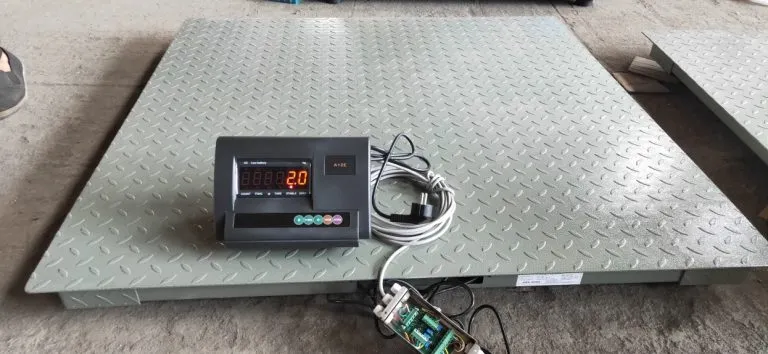
A typical industrial floor scale consists of:
- A weighing platform
- Load cells
- A digital weighing indicator
- Junction box and connecting cables
- Supporting structure and weighing accessories
Optional features, such as ramps, printers and communication interfaces, may also affect the final quotation.
The best way to determine the right floor scale price is to select a model based on your actual weighing requirements.
2. Five Factors That Affect Floor Scale Price
2.1 Weighing Capacity
Weighing capacity is one of the most important factors affecting floor scale cost.
Industrial floor scales are available in different capacity ranges to suit different applications. A scale designed for light loads may require a different platform structure and load cell configuration from one designed for heavy industrial loads.
When requesting a quotation, specify:
- Maximum weighing capacity
- Typical weight of the objects being weighed
- Whether loads are placed manually or by forklift
- Whether the scale will be used continuously
Choosing an appropriate capacity helps avoid unnecessary costs while ensuring reliable weighing performance.
2.2 Platform Size
Platform dimensions also influence the price of an industrial floor scale.
A larger platform generally requires more structural material and may need a different load cell arrangement.
Common applications include weighing pallets, drums, containers, raw materials and industrial components.
Before choosing a platform size, measure the largest object or pallet you expect to weigh. Make sure the platform provides sufficient space for safe and convenient operation.
2.3 Platform Material
The platform material affects durability, maintenance requirements and overall cost.
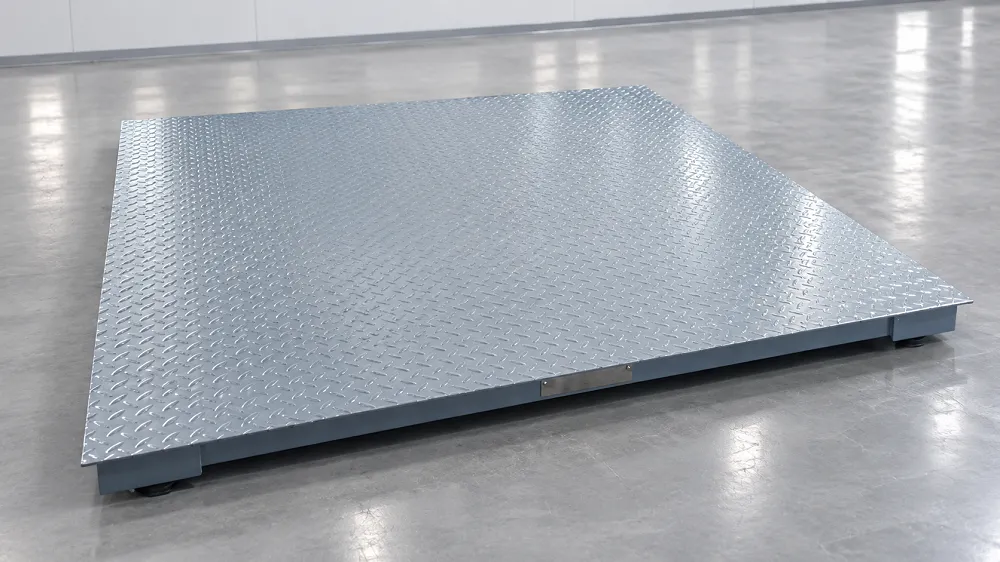
Carbon steel floor scales
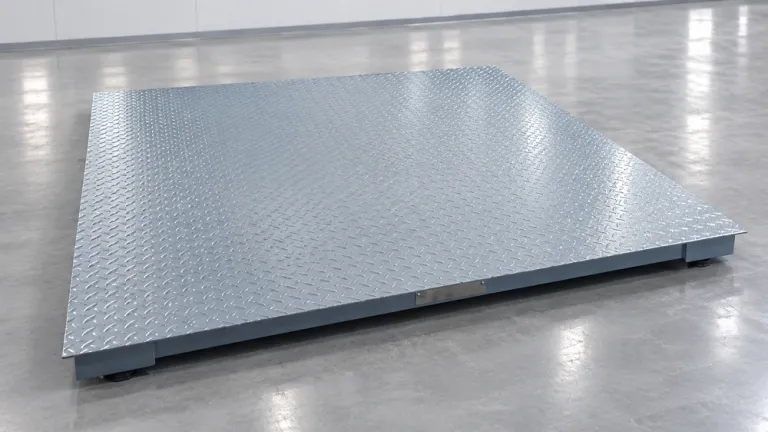
Carbon steel platforms are commonly used in warehouses, factories and general industrial environments. They are a practical option for many standard weighing applications.
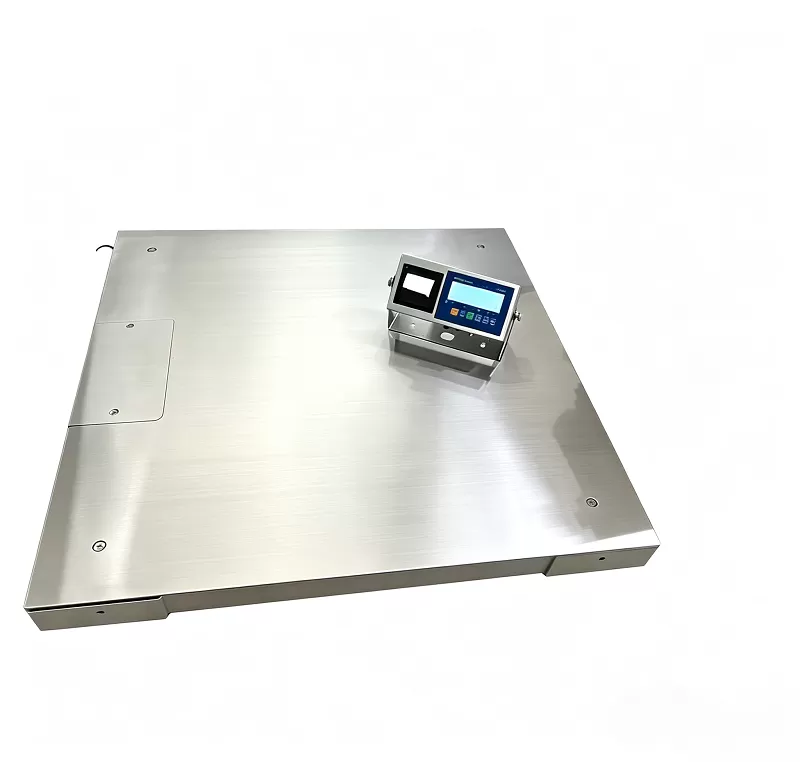
Stainless steel floor scales are suitable for applications where corrosion resistance and easier cleaning are important considerations.
They may be preferred in food processing, pharmaceutical and other demanding environments, depending on the required material grade and construction.
Stainless steel models generally cost more than comparable carbon steel models.
2.4 Load Cells and Weighing Indicator
Load cells and digital indicators are essential components of an industrial floor scale.
The load cells convert the applied load into an electrical signal, while the weighing indicator processes and displays the weight.
The selected component specifications, accuracy requirements, functions and configuration can affect the final floor scale price.
Depending on your application, you may need additional functions such as:
- Tare and zero functions
- Unit conversion
- Counting functions
- Data output
- Printer connection
- Computer or external system communication
Discuss these requirements before placing an order to ensure the scale is configured correctly.
2.5 Optional Accessories and Customization
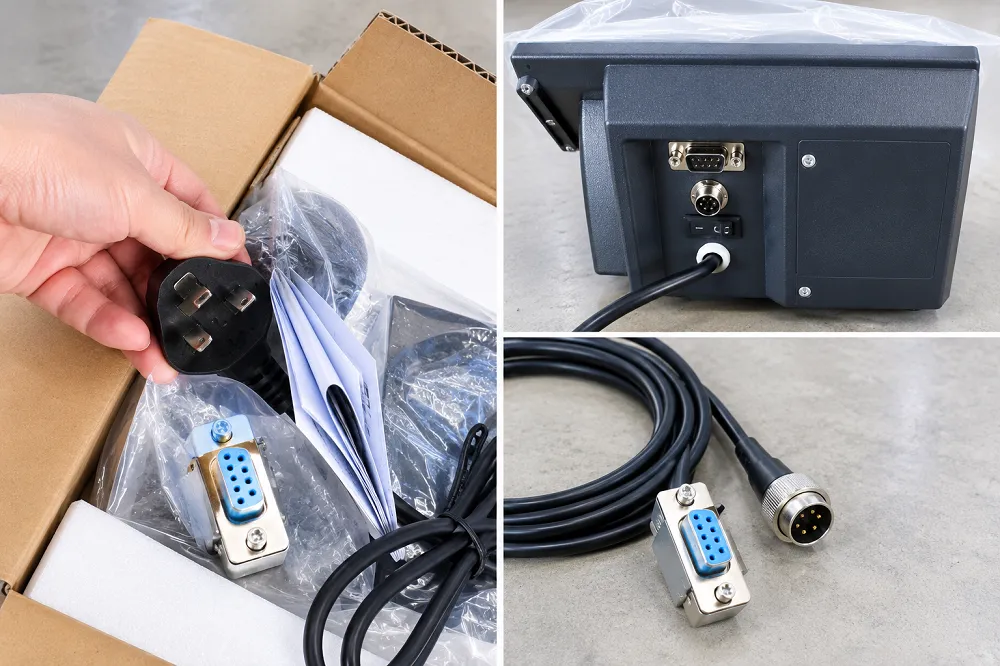
Additional equipment and customization can also increase the total cost.
Common options include:
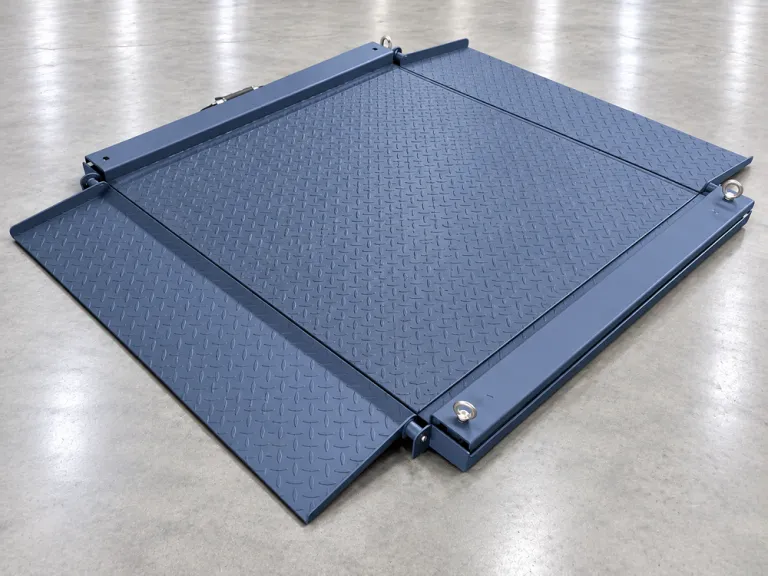
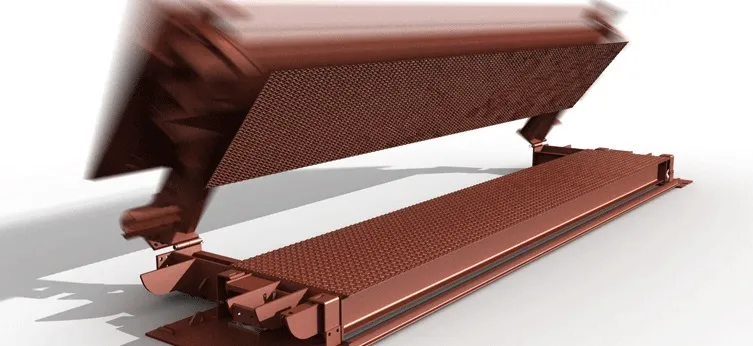
- Access ramps for easier loading
- Digital indicators with additional functions
- Built-in or external printers
- Special platform dimensions
- Customized platform structures
- Protective finishes or special materials
Not every application requires all these options. Selecting only the features you need can help control the overall purchase cost.
3. Floor Scale Price by Type
Different floor scale designs are intended for different working conditions.
| Floor Scale Type | Typical Application | Price Considerations |
|---|---|---|
| Standard Carbon Steel Floor Scale | Warehouses and factories | Platform size, capacity and indicator |
| Stainless Steel Floor Scale | Wet or corrosion-sensitive environments | Material grade and construction |
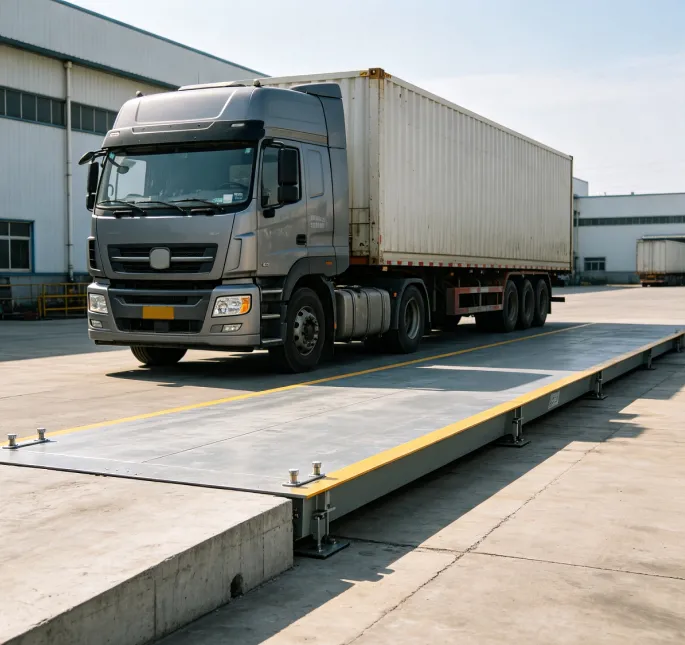
| Heavy Duty Floor Scale | Heavy industrial loads | Structural design and load cells |
| Low Profile Floor Scale | Pallets and low-clearance loading | Platform height and access requirements |
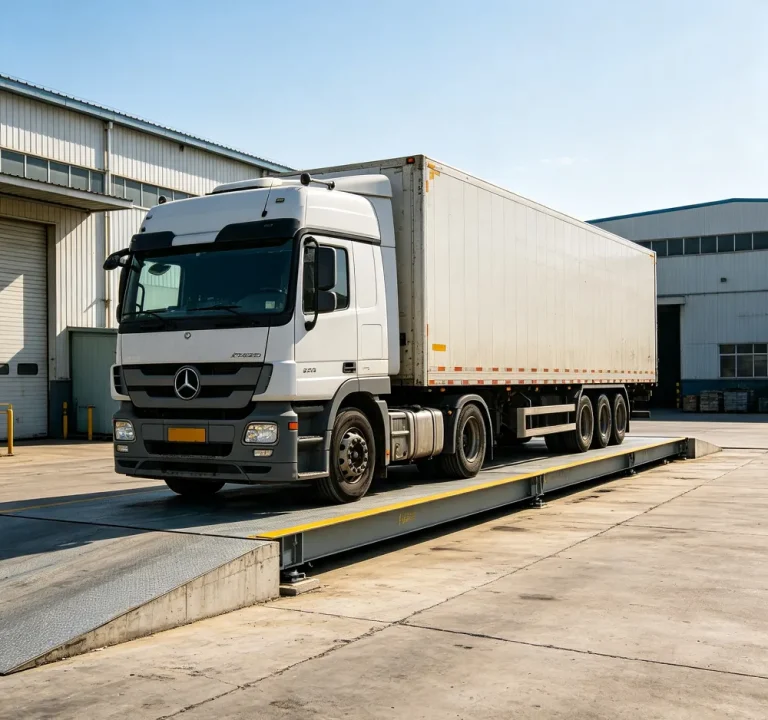
| Floor Scale with Ramp | Forklift or trolley loading | Ramp design and platform configuration |
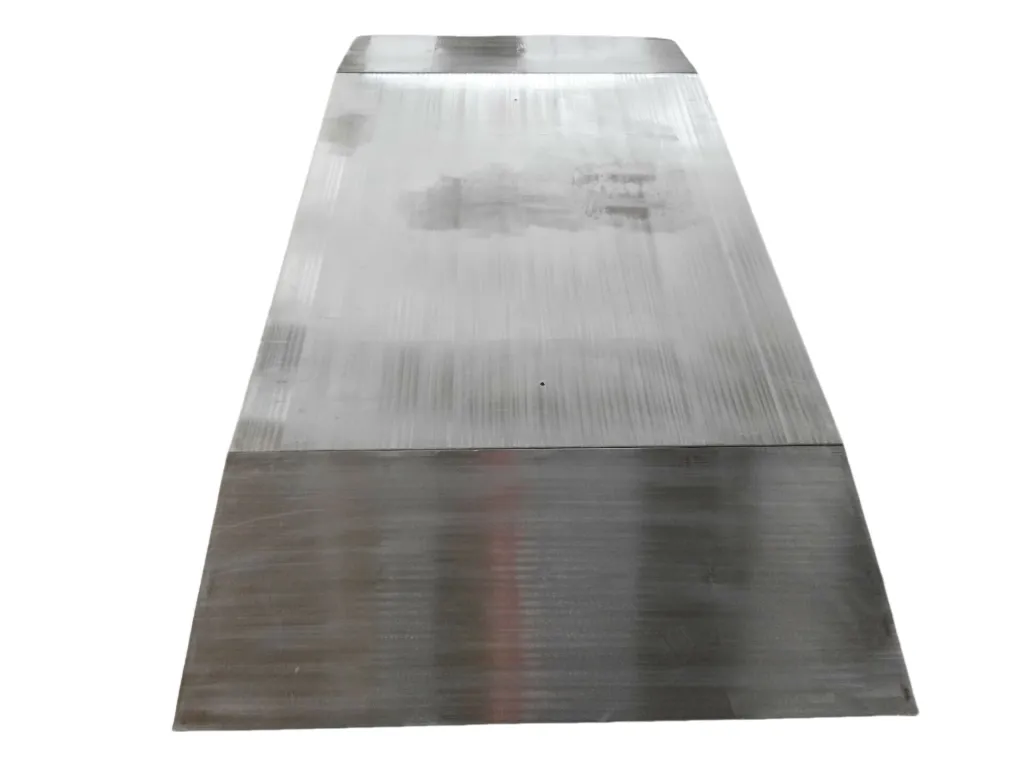
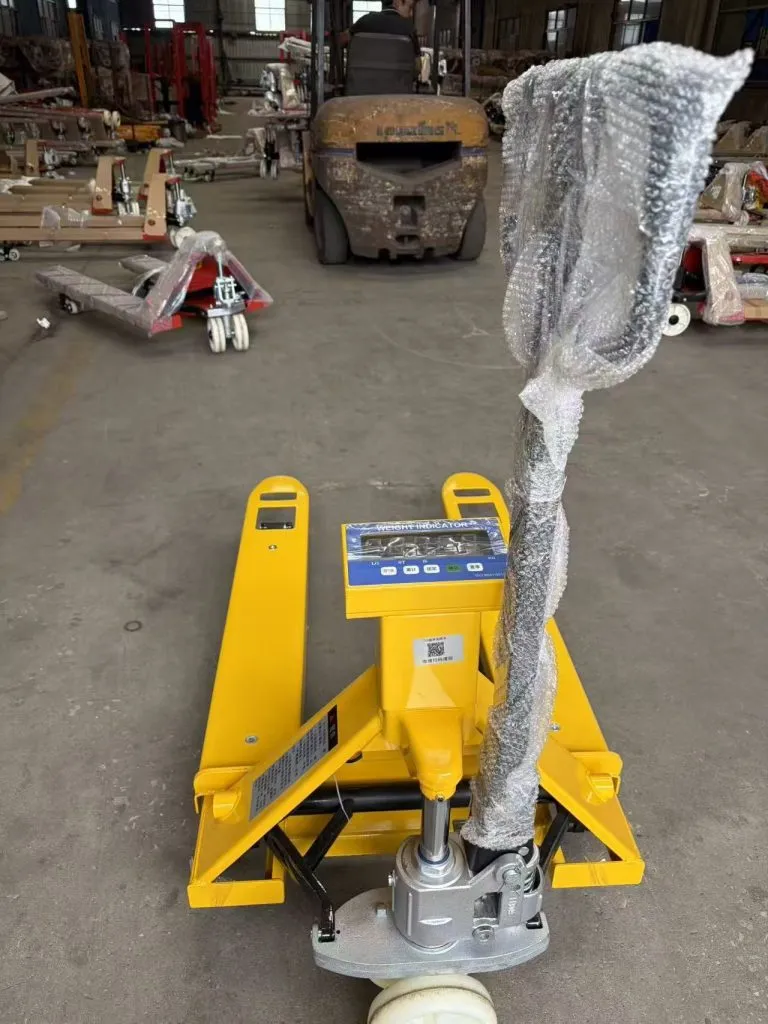
The table provides a general comparison, not fixed market prices. Actual quotations depend on the selected specifications and configuration.Low capacity we also suggest to use platform scale .
4. What Additional Costs Should You Consider?
When comparing industrial floor scale prices, remember to consider more than the equipment purchase price.
Depending on the order and destination, additional costs may include:
Shipping and transportation
Freight costs depend on the product dimensions, total weight, packaging and delivery destination.
Installation and commissioning
Some weighing systems may require installation or setup at the customer’s facility. Confirm what is included in the supplier’s quotation.
Calibration and maintenance
Regular inspection and calibration help maintain weighing performance. The required service arrangements depend on the equipment and application.
Optional accessories
Printers, ramps, cables and communication equipment may be quoted separately.
Ask suppliers to clearly identify what is included and excluded so that you can compare quotations accurately.
5. How to Choose the Right Floor Scale for Your Budget
The lowest floor scale price does not always represent the best value.
Before purchasing, consider these points:
- Choose the correct capacity. Avoid selecting a scale that is unsuitable for your actual load requirements.
- Measure the platform size. Make sure your pallets, containers or products fit comfortably.
- Select the appropriate material. Consider moisture, cleaning requirements and the working environment.
- Check the weighing functions. Confirm whether you need printing, data output or other features.
- Compare complete quotations. Check the platform, load cells, indicator, accessories, warranty and delivery terms.
A suitable industrial floor scale should meet your operational needs without unnecessary features or excessive costs.
6. How to Get an Accurate Industrial Floor Scale Quote
To receive an accurate floor scale quotation, provide the supplier with as much information as possible.
The following details are helpful:
- Required weighing capacity
- Platform length and width
- Preferred platform material
- Type of products or loads being weighed
- Required indicator functions
- Optional accessories, such as ramps or printers
- Delivery country and destination
If you are unsure which model is suitable, describe your application and ask the supplier for a recommendation.
At Aida , we can discuss your industrial weighing requirements and help identify a suitable floor scale configuration.
Contact us today to request a floor scale price and customized quotation.
7. Frequently Asked Questions About Floor Scale Price
Q1: How much does an industrial floor scale cost?
The price depends on weighing capacity, platform size, material, load cells, indicator functions and optional accessories. Contact a supplier with your specifications to receive an accurate quotation.
Q2: Are stainless steel floor scales more expensive than carbon steel models?
Generally, yes. Stainless steel models usually have higher material costs than comparable carbon steel models. However, the best choice depends on your working environment and cleaning requirements.
Q3: Does platform size affect floor scale price?
Yes. Larger platforms generally require more material and may need different structural and load cell configurations, which can increase the cost.
Q4: Does a floor scale with a ramp cost more?
A ramp can add to the total equipment cost. The final price depends on the ramp dimensions, material and design.
Q5: Can I customize an industrial floor scale?
Customization may be available depending on the manufacturer and production requirements. Common considerations include platform dimensions, capacity, material and indicator functions. Confirm the available options with the supplier.
Q6: What information do I need to request a floor scale quotation?
Provide the required capacity, platform dimensions, material preference, application, optional functions and delivery destination. These details help the supplier prepare a more accurate quotation.
Request a Floor Scale Price Today
Looking for a reliable industrial floor scale at a competitive price?
AIda can help you discuss the right weighing solution for your warehouse, factory or industrial application.
Send us your required capacity, platform dimensions and application details.
Contact Aida today to request your customized floor scale quotation.